Home in Spirals: Living by Circular Design


Seeing Flows, Not Clutter
Clutter often hides patterns. Trace each object’s journey from arrival to reuse, repair, lending, or graceful return to nature. Sketch arrows for groceries, deliveries, laundry, and leftovers. Label friction points honestly, then reorganize with simple stations that invite each item to continue moving. The result is a living map that rewards attention, prevents overwhelm, and makes space feel purposeful rather than crammed.
Boundary Setting Without Walls
Systems need boundaries to work, yet boundaries are more than bricks. Include your balcony, curbside bins, community garden, repair cafés, refill shops, and even neighbors’ tools in your operational edges. When you widen the circle, you discover exchanges that reduce waste dramatically. Define what enters, how long it stays useful, how it exits, and who helps shepherd each step, keeping everyone coordinated and supported.
Feedback Makes It Smarter
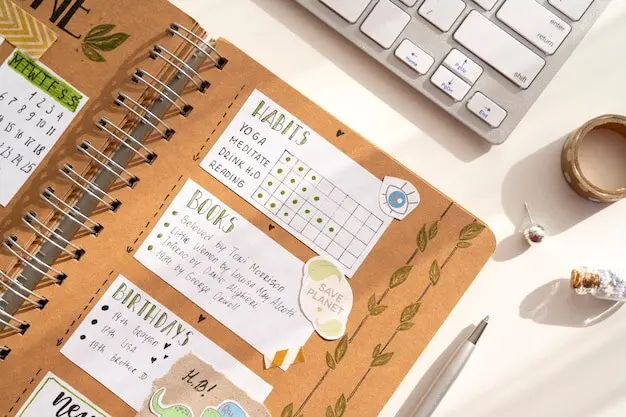
Behavior follows feedback. Hang a simple dashboard on the fridge: weekly landfill volume, compost weight, water use shifts, and energy savings milestones. Add quick notes about what felt easy or clumsy. Celebrate streaks; investigate spikes without blame. Over time, tiny measurements inform smarter placements, better purchasing decisions, and joyful rituals that maintain momentum because results feel visible, shared, and genuinely satisfying to repeat.
Mapping Flows From Doorstep to Soil

Morning-to-Night Audit

The One-Bag Challenge

Loop Diagrams on the Fridge
Capture and Cascade
Passive First, Tech Second
Water That Visits Again

Greywater Garden

Rain in a Barrel, Drought in a Plan
Materials Kept in the Circle


Habits, Rituals, and Joyful Nudges
Beautiful Defaults
Shared Rules, Gentle Reminders
Celebration and Story

All Rights Reserved.